
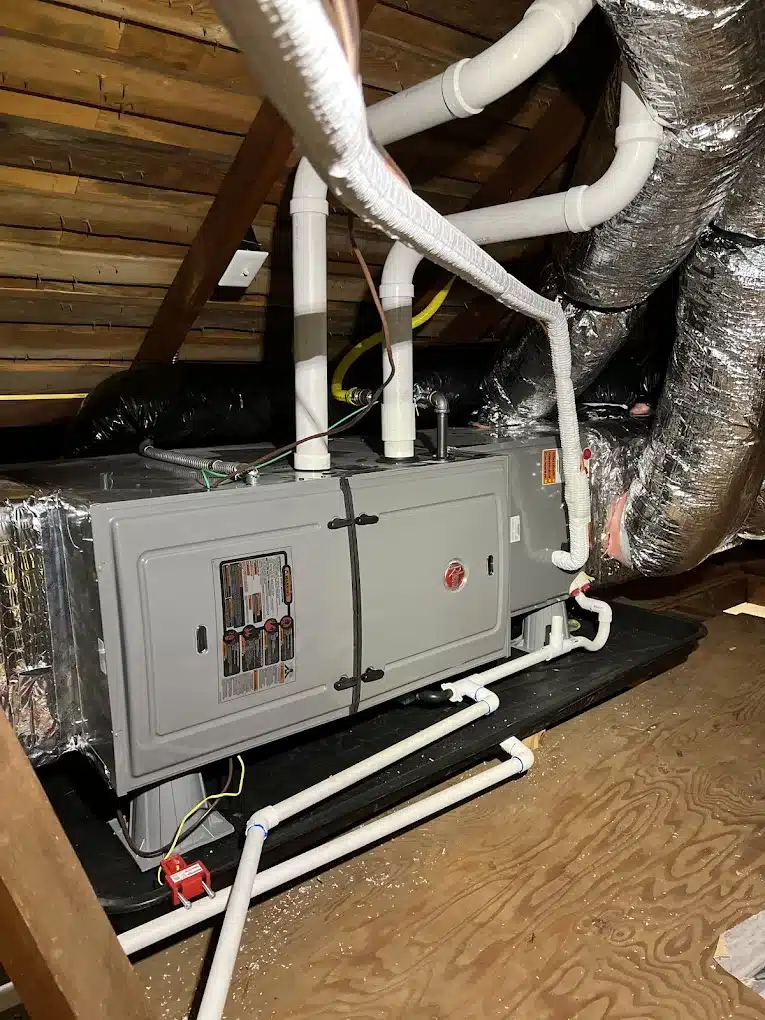
Heat pump short cycling means the system turns on, runs for only a few minutes, then shuts off before the house reaches the set temperature. The most common causes are a dirty air filter, a thermostat problem, blocked airflow, a unit that is too big for the home, low refrigerant or a failing electrical part. Start with the filter and thermostat. If those look fine, call a technician.
Short cycling is more than an annoyance. Every start puts stress on the compressor, which is the most important part of a heat pump. A system that keeps starting and stopping wears out sooner, heats unevenly and uses more power. This guide explains how to spot the problem, what causes it and which fixes are safe to try at home.
Signs Your Heat Pump Is Short Cycling
- Very short run times. The outdoor unit starts, runs a few minutes and stops, over and over.
- The house never feels warm enough. The system shuts off before it catches up to the thermostat.
- Uneven rooms. Rooms near the air handler feel fine while far rooms stay cool.
- Higher electric bills. Frequent starts use more power than steady running.
- Clicking or humming at startup. You hear the unit kick on much more often than usual.
Not every short run is a problem. In winter, a heat pump goes through defrost cycles. It pauses heating for a few minutes to clear frost from the outdoor coil, and you may see steam rise from the unit. That is normal. Variable speed heat pumps also run long and slow at low power, which can look different from older single speed systems. Short cycling is when the whole system keeps shutting off and restarting without a clear reason.
Common Causes of Heat Pump Short Cycling
Here are the usual causes we find on service calls, and who should handle each one.
| Cause | What Happens | Who Fixes It |
|---|---|---|
| Dirty air filter | Low airflow trips safety limits and shuts the system down | Homeowner |
| Thermostat placement or settings | The thermostat reads warm air too soon and stops the cycle | Homeowner for settings, pro for moving or rewiring |
| Blocked vents or returns | Restricted airflow causes pressure and temperature problems | Homeowner |
| Dirty or blocked outdoor unit | Leaves, debris or plants choke airflow across the coil | Homeowner for clearing debris, pro for coil cleaning |
| Oversized heat pump | The unit heats the space too fast and shuts off early | Pro (load calculation) |
| Low refrigerant or a leak | Pressure switches stop the compressor to protect it | Licensed technician only |
| Electrical or control failure | A weak capacitor, bad contactor, sensor or board cuts power | Licensed technician only |
Why Each Cause Leads to Short Cycling
Airflow problems. A heat pump needs a steady stream of air across both coils. A clogged filter, closed registers or a blocked return starves the indoor coil. In heating mode that can push pressures and temperatures too high, and the safety controls shut the system off. Once things settle, it starts again and the loop repeats.
Thermostat issues. A thermostat mounted near a supply vent, a sunny window, a lamp or a kitchen gets a false reading. It thinks the house is warm and ends the cycle early. Low batteries, loose wires and wrong system settings can cause the same pattern. Some thermostats also have a cycle rate setting that is set wrong for a heat pump.
An oversized system. Bigger is not better with heat pumps. A unit sized too large for the home warms the air near the thermostat in a few minutes, then stops. The rest of the house never catches up. This often happens when a system was sized by a rule of thumb instead of a proper load calculation. The fix is usually a properly sized replacement, though a technician can sometimes adjust settings to help.
Refrigerant problems. A heat pump does not use up refrigerant. If the charge is low, there is a leak. Low refrigerant can trip the low pressure switch and stop the compressor, then let it restart a few minutes later. Refrigerant work requires EPA certification and special tools. Do not try to add refrigerant or open the sealed system yourself. Call a licensed technician to find and repair the leak.
Electrical and control parts. Capacitors, contactors, temperature sensors and control boards all wear out over time. A failing part can drop power to the compressor or send the wrong signal. These parts carry high voltage and can hold a charge even after the power is off. Leave them to a pro.
What You Can Safely Check Yourself
- Replace the air filter. If it looks gray or clogged, swap it for a clean one of the same size. This alone fixes many short cycling calls.
- Open every supply vent and clear the returns. Move furniture, rugs and curtains away from registers.
- Check the thermostat. Replace the batteries, confirm it is set to heat and make sure the setting is a few degrees above room temperature. See our thermostat troubleshooting guide for more steps.
- Look at where the thermostat sits. If it is near a vent, a window or a heat source, note that for your technician. Do not move or rewire it yourself.
- Clear around the outdoor unit. Remove leaves, branches and grass clippings. Keep plants trimmed back and leave open space on all sides. Never chip or pry at the coil.
- Watch a few cycles. Note how long the unit runs and how long it rests. This helps a technician find the cause faster.
If the short cycling stops after these steps, keep an eye on it for a few days. If it comes back, or nothing changes, the cause is likely inside the system.
When to Call a Technician
Call a licensed technician if the system still short cycles after you change the filter and check the thermostat. Also call if you hear hissing or bubbling near the lines, see oil stains on the refrigerant lines, smell burning or notice the breaker tripping. Do not open the outdoor unit, touch wiring or try to add refrigerant. Those jobs need proper training, tools and licensing.
How to Prevent Short Cycling
- Change filters on schedule. Check them monthly during heavy use in winter and summer.
- Book yearly maintenance. A tune-up catches weak capacitors, dirty coils and early refrigerant leaks before they cause trouble.
- Keep the outdoor unit clear. Our wet Willamette Valley falls drop a lot of leaves on outdoor units. Clear them often.
- Use small thermostat setbacks. Large swings can make a heat pump work harder. Our winter thermostat settings guide explains why.
- Size it right at replacement. Ask any installer for a load calculation, not a guess based on square footage.
Heat Pump Repair in Silverton and the Willamette Valley
Elevated Air diagnoses and repairs heat pumps and furnaces in Silverton, Salem, Stayton, Woodburn, Keizer and nearby towns. Our technicians check airflow, controls, electrical parts and refrigerant charge to find the real cause, then explain your options in plain terms. Contact us to schedule a visit.
Frequently Asked Questions
How long should a heat pump run before it shuts off?
It depends on the weather and the system. In mild weather, a common rule of thumb is two to three cycles per hour, each lasting at least 10 minutes or so. In cold weather a heat pump may run much longer, and that is normal. Runs of only a few minutes, many times an hour, point to short cycling.
Can short cycling damage a heat pump?
Yes. Each start puts extra wear on the compressor and electrical parts. Over time, constant short cycling can lead to failed parts and a shorter system life. It also wastes energy and leaves the house less comfortable. Fixing the cause early protects the equipment.
Can a bad thermostat cause a heat pump to short cycle?
Yes. A thermostat in a poor location, with weak batteries, loose wiring or the wrong settings can end cycles too early. Check the batteries and settings first. If the thermostat needs to be moved, rewired or replaced, have a licensed technician do it.
